Property Intelligence Report — 15.7-Acre Tract with Power and Fiber Internet
Listing source: RANCHFLIP — ranch/412838
Property Snapshot
15.7-Acre Tract with Power & Fiber Near Dover 15.7 acres · Stewart County, Tennessee · Dover area
🟡 Conditional Candidate
The strongest infrastructure claim in the batch — power and fiber at the road — but small acreage and a high per-acre price limit scale.
Core Facts
- Price: $133,450 (~$8,500/acre)
- Land: 15.7 acres of rolling hills, partly wooded, near the Tennessee River valley
- Property type: Rural residential / small homestead land
- Best fit: Buyer who wants modern connectivity, a buildable lot, and a small-scale homestead without major infrastructure development
Resilience Read
- Water: No well or water feature confirmed; domestic well likely needed
- Infrastructure: Power and fiber internet explicitly claimed at the road — the strongest utility claim in the batch, but not independently verified
- Access: Claimed near Dover; county-seat proximity suggests reasonable road access
- Use potential: Excellent for a compact homestead, remote-work residence, or small-scale food production; limited by acreage for large livestock or extensive privacy
Source: RANCHFLIP Listing
Reviewed: 2026-05-16 · Coordinates: ~36.4878, -87.8384 (city centroid)
Property Media
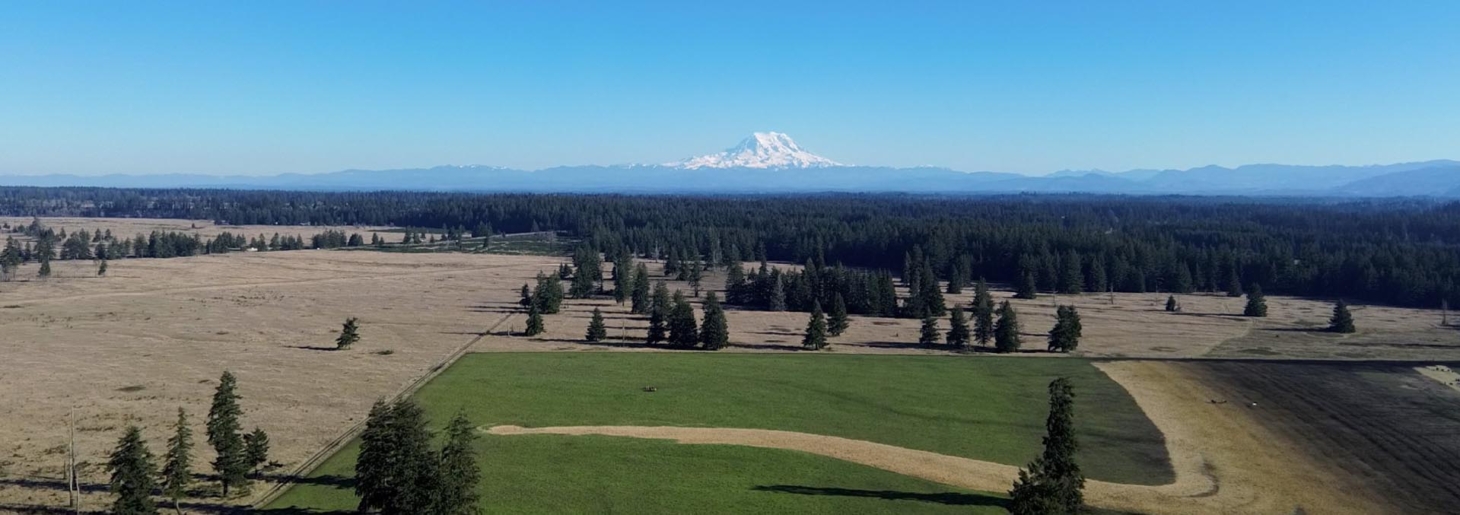
Listing photos from the original source.


Media source: RANCHFLIP listing. Linked from source; not downloaded.


Executive Summary
This 15.7-acre parcel near Dover, Tennessee, is the infrastructure outlier of the replacement batch. While every other candidate is essentially off-grid by default, this listing explicitly claims both power and fiber internet at the road. For a buyer who works remotely, runs an online business, or simply values modern connectivity, that is a genuine differentiator. Dover is the county seat of Stewart County, and the property sits in the humid, green rolling hills of northern Middle Tennessee — a region known for mild winters, long growing seasons, and abundant rainfall.
But the advantages come with trade-offs. At $133,450, or roughly $8,500 per acre, this is the most expensive candidate on a per-acre basis. Fifteen acres is enough for a comfortable homestead, a large garden, some chickens, and perhaps a few small livestock animals, but it is not a privacy compound or a large-scale agricultural operation. Neighbors will be closer than on the 120- or 186-acre western alternatives, and the topography — rolling hills, partly wooded — means visibility from surrounding properties is possible.
The infrastructure claims are compelling but unverified. Stewart County has had rural broadband expansion, and fiber to selected roads is plausible. However, "fiber in the area" is not the same as "fiber tap available at this parcel boundary." Buyers should confirm the exact provider, service tier, and connection cost before treating the fiber claim as fact. Power at the road is similarly plausible but requires verification with the local utility.
Water is another key unknown. No well, spring, or creek is mentioned in the listing. Tennessee wells are generally shallow and productive, but "generally" is not a guarantee. A perc test for septic is also essential, as the karst geology common in this part of Tennessee can create sinkhole risk and septic drainage challenges.
For the right buyer — a remote worker or small family who wants a connected, buildable homestead near services and recreation — this is a strong candidate. For a buyer seeking large-scale privacy, extensive livestock, or the lowest possible price, other properties in this batch are better aligned.
Initial Verdict: Conditional Candidate — compelling infrastructure claims and an excellent climate, but the small acreage and high per-acre cost require careful verification.
Key Strengths
- Strongest infrastructure claim in the batch: power and fiber internet at the road
- Excellent climate for homesteading: mild winters, long growing season, abundant rainfall
- Proximity to Land Between the Lakes National Recreation Area for recreation and resources
- Dover is the county seat with basic services: hospital, grocery, hardware
- Tennessee has no state income tax on wages
- Property taxes are moderate compared to many states
Key Concerns
- Small acreage (15.7 acres) limits large-scale food production and ultimate privacy
- High per-acre cost ($8,500/acre) is the highest in the replacement batch
- Power and fiber claims are not independently verified
- No confirmed water source on the parcel
- Tennessee karst geology can create sinkhole risk and septic challenges
- Humid climate brings mold, rot, and maintenance demands
- Nearest major metro (Nashville) is ~113 km / 70 miles away
Location Analysis
Regional Context
Dover is the county seat of Stewart County, in northern Middle Tennessee near the Kentucky border. The town sits on the Cumberland River just upstream from its confluence with the Tennessee River, and it is the gateway to Land Between the Lakes National Recreation Area — a 170,000-acre peninsula of forests, lakes, and recreation land between Kentucky Lake and Lake Barkley. The local landscape is classic Middle Tennessee: rolling green hills, mixed hardwood and pine forests, fertile valleys, and plentiful water.
The climate is humid subtropical: hot, humid summers with temperatures regularly exceeding 32°C / 90°F; mild winters with occasional light snow and freezes. Annual rainfall is roughly 50 inches, distributed relatively evenly through the year. The growing season of 180 to 200 days supports a wide range of crops, pastures, and orchards. This is genuine homestead country — the kind of climate where gardens thrive, fruit trees bear heavily, and livestock graze most of the year.
Access and Roads
The listing claims road access, which is highly plausible for a parcel near Dover and the county seat. The specific road name and surface condition are not provided in the available data, but Stewart County maintains a network of paved and gravel rural roads. Buyers should verify:
- The exact road name and whether it is county-maintained
- Surface condition and whether it supports standard vehicles, moving trucks, and construction traffic year-round
- Whether any private easements or shared driveways are involved
- School bus and emergency vehicle access
Winter travel is generally not a concern in this region. Occasional ice storms can make roads slick, but snow accumulation is minimal and rarely lasts more than a few days.
Distance to Services
- Dover, TN: ~4.8 km / 3 miles (county seat, hospital, grocery, hardware, fuel, schools)
- Clarksville, TN: ~48 km / 30 miles (larger retail, medical, services)
- Nashville, TN: ~113 km / 70 miles (major medical centers, airport, specialty suppliers, entertainment)
- Paducah, KY: ~105 km / 65 miles (regional hub, Kentucky markets)
- Nearest urgent care / emergency room: Dover (Stewart County medical facilities)
- Nearest major hardware / building supplies: Dover or Clarksville
- Nearest feed / farm supply: Dover or Clarksville
- Fuel: Available in Dover
Land and Terrain
Acreage Usefulness
Fifteen acres is a comfortable small-homestead size but not a large ranch. In this terrain, expect a mix of open, rolling pasture or meadow and partly wooded hillsides. Buildable areas should be plentiful, with multiple potential homesite locations offering varying degrees of sun exposure, drainage, and privacy. The scale is sufficient for:
- A main dwelling and one or two accessory structures (barn, workshop, guest cabin)
- A large vegetable garden, berry brambles, and a small orchard
- Pasture for chickens, a few goats, or perhaps one or two cows with rotation
- A small woodlot for firewood and wildlife habitat
It is not sufficient for extensive row-crop agriculture, large-scale livestock, or true seclusion from all neighbors.
Soil and Growing Potential
Soils in the Tennessee River valley and adjacent hills are generally fertile and well-drained, though clay content can be high in some areas. The official soil survey can provide parcel-specific data once boundaries are loaded. For food production, expect:
- Highly productive vegetable gardens with minimal amendment
- Good pasture for poultry, goats, sheep, or limited cattle
- Strong fruit and nut tree potential: apples, peaches, pears, pecans, black walnuts
- Berry production: blueberries, blackberries, raspberries, strawberries
- Forage crops and hay production on open acreage
The long growing season and abundant rainfall make this one of the most food-friendly properties in the batch.
Water Features
No creeks, ponds, springs, or wells are referenced in the listing data. Domestic water would likely come from a drilled well. Tennessee domestic wells are typically managed by the county health department and are generally shallow compared to western standards — 50 to 150 feet is common in this region, with good yields and acceptable water quality. Hardness and occasional iron staining are typical but treatable.
A buyer should request well logs from neighboring properties and contact a local driller for area-specific estimates. The proximity to the Tennessee River valley suggests reasonable groundwater availability, but karst geology (limestone bedrock with caves and sinkholes) can create localized water-table variability.
Utilities and Infrastructure
Power
The listing explicitly states that power is at the road. This is a significant advantage over off-grid parcels, but it is not the same as "power connected and ready." Buyers should contact the local utility — likely CEMC ( Cumberland Electric Membership Corporation ) or CDE Lightband — to confirm:
- Whether the nearest energized line is on the parcel’s road frontage
- The estimated cost to run service from the road to the chosen homesite
- Capacity availability: standard residential service (200A) is likely, but should be confirmed
Water
No well or water source is confirmed. A drilled well is the default assumption. See Land and Terrain / Water Features for depth and yield context. Tennessee well permits are generally straightforward for domestic use under 1,000 gallons per day. Budget $5,000–$12,000 for a standard well.
Septic and Waste
No septic system exists. Stewart County requires a soil percolation test and a septic system design approved by the county health department. The karst geology of northern Middle Tennessee is a specific concern: limestone bedrock can create thin soil cover, rapid drainage to bedrock, and occasional sinkhole formation. A perc test is essential, and an alternative system (aerobic treatment, drip dispersal, or engineered mound) may be required if standard drainage is inadequate. Do not assume a conventional drainfield will work without testing.
Internet and Communications
The listing claims fiber internet at the road. This is exceptional for rural Tennessee and would make this property one of the most connected rural parcels in the region. However, the claim needs verification:
- Contact Stewart County economic development or the Tennessee Department of Economic and Community Development for broadband maps
- Check broadband availability maps for the specific road/address
- Contact local providers (TCA, Charter Spectrum, or regional fiber co-ops) to confirm service availability and connection cost
If fiber is verified, this property is unique in the batch. If fiber is unavailable, Starlink is confirmed as a fallback across Tennessee, and LTE coverage is likely adequate for basic needs in the Dover area.
Off-Grid and Resilience Potential
Solar Suitability
Solar potential is moderate to good. Tennessee receives less annual sun than the southwestern U.S., but it is still economically viable for grid-tied or off-grid solar. The partly wooded, rolling terrain may create shading issues; a ground-mount array in a cleared southern-facing area is preferable. A grid-tied system with battery backup is a sensible configuration given the claimed power availability, allowing the buyer to reduce grid dependence while retaining utility connectivity.
Heating and Cooling
Heating and cooling loads are balanced. Summers are hot and humid, requiring air conditioning or robust passive cooling. A mini-split heat pump is an efficient solution for both heating and cooling. Winter heating is modest compared to northern climates; a heat pump, propane furnace, or wood stove (with purchased or property-sourced cordwood) is sufficient. The wooded portion of the parcel may provide some firewood, though a 15-acre woodlot is limited.
Food Production Potential
Food production is a genuine strength. The climate, rainfall, and growing season support:
- Large, productive vegetable gardens
- Berry brambles and small orchards
- Pasture for poultry, goats, sheep, or limited cattle
- Hay or forage production on open acreage
- Possible honey production with bee hives
Root cellars are viable for winter storage, and the long season supports succession planting.
Security and Privacy
Privacy is moderate. Fifteen acres in rolling terrain provides reasonable separation from neighbors, but it is not remote wilderness. Visibility from adjacent properties is possible, especially on open pasture areas. The partly wooded areas provide natural screening. The location near Dover means law enforcement and emergency services are accessible, which is a safety advantage but also indicates that complete isolation is not achievable here.
Legal, Zoning, and Buildability
Zoning
Stewart County has zoning and building regulations that govern land use, setbacks, and building types. Buyers should contact the Stewart County planning or building department for:
- Zoning classification of the parcel
- Minimum lot size, frontage, and setback requirements
- Permitted uses: residential, agricultural, accessory structures
- Rules for RV living, tiny homes, and mobile homes
- Short-term rental regulations, if relevant
Tennessee does not have a statewide building code, but Stewart County enforces its own. This is not a "no code" jurisdiction.
Permits and Restrictions
Standard due diligence applies: verify no private covenants or HOA restrictions, confirm road access rights, and check for easements. Karst geology means a sinkhole-risk review is prudent. The Tennessee Geological Survey and county property records can identify known sinkholes or karst features near the parcel. FEMA flood zone status should also be checked, as low-lying areas near the Tennessee River and its tributaries can flood during heavy rainfall.
Risk Assessment
Environmental Risks
- Flooding: Low to moderate. Rolling terrain is generally well-drained, but low-lying areas near streams or the river valley can flood. A parcel-level FEMA review is prudent.
- Wildfire: Low. Humid climate and green vegetation make large fires rare in this region.
- Severe storms: Moderate. Thunderstorms, occasional tornadoes, and straight-line wind events are annual risks.
- Sinkholes: Moderate. Karst geology creates localized sinkhole risk. A geological review is advisable.
- Humidity/mold: Moderate. High humidity can stress structures, encourage mold, and complicate food storage without climate control.
Financial / Practical Cost Risks
The $133,450 purchase price is significant, especially on a per-acre basis. Buyers should budget for:
- Well and water treatment: $5,000–$12,000
- Septic system: $8,000–$20,000 (higher if karst demands engineered system)
- Power connection: $3,000–$10,000 (likely on the lower end if power is truly at the road)
- Fiber connection: $0–$3,000 (varies by provider)
- Driveway/grading: $3,000–$8,000
- Building and permits: Moderate in Tennessee; less complex than New York but not negligible
- Annual taxes: Moderate; estimate $1,200–$2,500 depending on assessed value and improvements
Practical Risks
The main practical risk is paying a premium for acreage that does not deliver the expected privacy or scale. Fifteen acres is a lot by suburban standards but modest by rural standards. A buyer expecting to run a small farm or achieve total neighbor isolation may be disappointed. The second risk is infrastructure claim verification: if fiber or power availability is weaker than advertised, the property’s key differentiator disappears.
Estimated Development Path
Phase 1: Due Diligence
- Confirm exact parcel boundaries on Stewart county parcel maps or property records
- Verify power availability and connection cost with CEMC or local utility
- Verify fiber internet availability with local providers or county broadband office
- Request well logs from neighbors and contact a local driller for depth/yield estimates
- Conduct perc test for septic feasibility; budget for alternative system if karst is an issue
- Check FEMA flood zone status and known sinkhole maps for the area
- Review Stewart County zoning for permitted uses, setbacks, and dwelling rules
Phase 2: Basic Use
- Improve driveway/access road and establish a homesite
- Drill well and install any needed water treatment
- Install septic or approved alternative system
- Connect power and fiber (if verified)
- Erect a storage shed, workshop, or small cabin
- Begin vegetable garden, berry brambles, and initial pasture fencing
Phase 3: Resilient Buildout
- Construct a well-insulated, climate-appropriate main dwelling
- Add grid-tied or hybrid solar array with battery backup
- Expand garden, orchard, and livestock operations
- Build a root cellar or cool storage for harvest preservation
- Add a greenhouse or high tunnel for season extension
- Develop woodlot management for sustainable firewood
- Install rainwater catchment and composting systems
Property Scorecard
The scorecard below weighs the property against Resilience Atlas criteria. Scores are preliminary and depend on due diligence confirmation.
No confirmed well, but regional groundwater is generally favorable. Karst geology adds localized uncertainty.
15 acres provides moderate privacy but not isolation; neighbors are within sight/sound in rolling terrain.
Excellent climate, rainfall, and growing season for gardens, orchards, and small livestock.
Power and fiber claimed at road — strongest claim in batch — but not independently verified. No water or septic on site.
Grid power reduces off-grid urgency, but solar backup and resilience systems are still viable and advisable.
Fiber claim is exceptional for rural land. If verified, this property leads the batch. Starlink fallback is confirmed.
Rolling terrain provides some screening, but small acreage and proximity to Dover limit defensibility.
Reliable rainfall, mild winters, and long growing season are strengths. Humidity and storms are manageable.
Strong food production and moderate woodlot potential, but acreage limits scale and privacy.
A practical "modern connected homestead" narrative, but less dramatic than the western or desert properties.
The "fiber-in-the-country" angle appeals to remote workers, but the price and small acreage temper excitement.
Road access is likely good, power/fiber claims are strong, but karst geology and county zoning add due-diligence items.
Conditional Candidate
Final Recommendation
🟡 Conditional Candidate
This property may be worthwhile, but only if the key unknowns are resolved.
The 15.7-acre Dover tract is the infrastructure-forward candidate of the replacement batch. For a remote worker, a small family, or a buyer who wants modern connectivity without suburban density, the claimed combination of power and fiber at the road is genuinely unusual in rural land. The climate is among the most forgiving in the batch, and the proximity to Land Between the Lakes adds recreational and aesthetic value that the desert and high-plains properties cannot match.
But the price and scale matter. $133,450 for 15.7 acres is a premium price for rural Tennessee, and buyers should compare it to other small-acreage properties in Stewart County to ensure they are not overpaying for the fiber claim alone. The small acreage also means this is a homestead, not a retreat compound. If the buyer’s goal is extensive privacy, large livestock operations, or minimal neighbor interaction, this parcel will feel constrained.
The critical verification items are power, fiber, and water. If all three check out, the property moves closer to Strong Candidate status. If the fiber claim is overstated or the well is unexpectedly deep, the value proposition weakens.
This property earns a Conditional Candidate rating because its strengths are real but contingent on verification. For the right buyer — connected, capitalized, and content with small-scale rural living — it is an appealing option. For buyers seeking maximum acreage per dollar or total regulatory freedom, other candidates are better aligned.
Rating context: Candidate levels reflect how well the property fits Resilience Atlas criteria after weighing infrastructure, water, access, buildability, communications, risk, and unresolved due diligence.
Questions to Ask Before Moving Forward
- Is legal access confirmed via deeded right-of-way, and what is the road surface?
- What is the Stewart County zoning classification for this parcel?
- Is there a recent survey confirming the 15.7-acre boundary?
- Has a perc test been completed, and what septic system type is likely given karst geology?
- What are well depths and yields on neighboring parcels in this area?
- What would it cost to connect power from the road to a chosen homesite?
- Which fiber provider serves this road, and what is the actual availability at this parcel?
- Are there restrictions on RVs, cabins, tiny homes, or multiple dwellings?
- Is the property in a FEMA flood zone or near a known karst feature/sinkhole?
- What are the estimated annual property taxes?
- Are there easements, covenants, or road-maintenance agreements in the deed?
- Are mineral or timber rights included or severed?
End of Report 5 — Tennessee 15.7-Acre Dover Tract